無間道風雲(The Departed)令茶怪印象最深的,是導演拍中槍的情景,同原著版無間道有好大差別。無間道的梁朝偉是這樣中槍的: 「焦」一聲,子彈穿入前額,鑽了一個紅色的小孔,頭部稍為震一下,死了,眼睛凝望遠處,好像在沉思,好像想落淚,表情多無奈。畫面停留在他的死樣半分鐘,有哀傷而且大聲的配樂。在之後的續集,黎明和吳震宇的死狀,都是貫徹一樣。
鬼佬版的是這樣的: 「嘭」一聲,中槍者整個人向後翻,同時一泡血霧在他頭上發散,死了,鏡頭約略交代他滿面鮮血,攤屍地上,沒有close-up死樣,沒有配樂。茶怪想,「吓! 咁就死左。」,陪著觀眾兩個多小時出生入死的狄卡比奧,沒有半個臨別秋波。之後「嘭」「嘭」「嘭」,其他角色,包括麥迪文,死法都是一式一樣。
大導演馬田史高西斯拍無間道,對死亡觀念是隨便的,沒有抵死唔抵死,沒有好人壞人。隨便的程度甚至有點荒唐,好似突然有人入你屋say句hi。鬼佬導演不是想說甚麼是對與錯,忠義與背叛,而是想說在這個「拜金」主意的制度下,每個人都是一隻棋子,為著自己的私利去做事,沒有英雄與奸人之分,所以無須替他的下場可惜或慶祝。
有評論說可能某某是民主派的無間道,在猜他們是忠是奸,茶怪覺得,冇話忠定奸,制度使然。


2007/02/23
預言
周四特首選舉論壇,梁家傑將成大贏家。
三月一日,曾蔭權和梁家傑在辯論台上各就各位,電視台的攝影隊亦準備直播,八百個選舉委員亦排排坐,場外,有一批反對小圈子選舉的民眾聚集,他們要求兩位候選人走出來接受公眾提問。會場內開始直播節目,主持步上台,開場白幾句後,讓候選人各自介紹政綱,然後主持邀請選委提問,就在這刻,老梁突然發難。
老梁宣佈: 「這個會議又不准普羅市民參與,因應市民的要求,我無法待在這裡,我決定走出去,直接跟市民對話,聽取市民對政府的要求。」說罷,全場嘩然,老梁斯斯然地步出會場,主持不知如何是好,老曾一面通紅,爭著說甚麼「尊重制度」等東西,但沒人注意,所有與會者把目光放在老梁的身影,電視台攝影隊即追著老梁,繼續直播,老梁一步出會場,立即引起民眾的歡呼,老梁對群眾說: 「作為特首候選人,有必要公開辯論,和接受廣大市民的質詢,我現在邀請曾蔭權走出來,和我一樣面對群眾,進行正式的辯論。」
在會場內的老曾進退失據。走出去,會得罪選委,而且被對手牽著鼻子走,留下來,又會被對手搶盡風頭。電視台要照顧場內外兩個場景,一定要作取捨,論突發性和新聞價值都是場外的佔優,於是,全港市民即時收看到的是老梁如何與群眾對話為主,老曾答選委問為次。
梁家傑在當晚將幾個月以來的特首選擇推上高潮,贏得超大政治能量。曾蔭權贏得一份好工,輸掉政治家的氣魄。
後記: 與友人閒聊,Brian說如果老梁這樣做只會「攪事」,沒有實際作用,例如爭取中央信任其為老曾以外的特首人選,但Brian認為老梁今次參選的策略左搖右擺,是敗筆。茶怪認為,老梁一開始表明他的參選目的是要顯示「小圈子選擇的荒謬性」,既然有了目標,應該貫徹始終。
三月一日,曾蔭權和梁家傑在辯論台上各就各位,電視台的攝影隊亦準備直播,八百個選舉委員亦排排坐,場外,有一批反對小圈子選舉的民眾聚集,他們要求兩位候選人走出來接受公眾提問。會場內開始直播節目,主持步上台,開場白幾句後,讓候選人各自介紹政綱,然後主持邀請選委提問,就在這刻,老梁突然發難。
老梁宣佈: 「這個會議又不准普羅市民參與,因應市民的要求,我無法待在這裡,我決定走出去,直接跟市民對話,聽取市民對政府的要求。」說罷,全場嘩然,老梁斯斯然地步出會場,主持不知如何是好,老曾一面通紅,爭著說甚麼「尊重制度」等東西,但沒人注意,所有與會者把目光放在老梁的身影,電視台攝影隊即追著老梁,繼續直播,老梁一步出會場,立即引起民眾的歡呼,老梁對群眾說: 「作為特首候選人,有必要公開辯論,和接受廣大市民的質詢,我現在邀請曾蔭權走出來,和我一樣面對群眾,進行正式的辯論。」
在會場內的老曾進退失據。走出去,會得罪選委,而且被對手牽著鼻子走,留下來,又會被對手搶盡風頭。電視台要照顧場內外兩個場景,一定要作取捨,論突發性和新聞價值都是場外的佔優,於是,全港市民即時收看到的是老梁如何與群眾對話為主,老曾答選委問為次。
梁家傑在當晚將幾個月以來的特首選擇推上高潮,贏得超大政治能量。曾蔭權贏得一份好工,輸掉政治家的氣魄。
後記: 與友人閒聊,Brian說如果老梁這樣做只會「攪事」,沒有實際作用,例如爭取中央信任其為老曾以外的特首人選,但Brian認為老梁今次參選的策略左搖右擺,是敗筆。茶怪認為,老梁一開始表明他的參選目的是要顯示「小圈子選擇的荒謬性」,既然有了目標,應該貫徹始終。
2007/02/17

最悲哀的美譽
時常說香港有世界上最自由的市場,奶茶怪想這會否是一個最悲哀的美譽? 我們再沒有進步的空間,倫敦自八十年代開放金融業給外資和將國企私有化,澳門99年回歸後開放賭業,今天兩個地方經濟更上一層樓,中國大陸經濟受惠於自七十年代末的市場開放,是更明顯的例子。回看香港,這一招用不著,因為我們市場已是最自由的了,自由貿易,外資自由投資,幾乎沒有國企,外商要來的,已來了,不來的,再沒有甚麼辦法誘它來。
從以上的邏輯,地產業是最有「前途」的,地產業是封閉的,地產商長期維持豐厚利潤,每次參與土地競投的都是那幾個本地地產商,如果各地產商互相競爭,競價到最後一口,地價理應只有足以補償風險的微利,而不至於地產商長期維持約二至三成的利潤。從表面看,競爭未至於十分激烈,未能達到官地以最高市場價出售的效果。根據搏奕論,即使是一個「互相殘殺」的遊戲,遊戲無止境的重複,參與者就會「點到即止」,這對各方有利。但究竟地產市場制度上有甚麼可以改善之處,去促進競爭? 茶怪沒有答案。
從以上的邏輯,地產業是最有「前途」的,地產業是封閉的,地產商長期維持豐厚利潤,每次參與土地競投的都是那幾個本地地產商,如果各地產商互相競爭,競價到最後一口,地價理應只有足以補償風險的微利,而不至於地產商長期維持約二至三成的利潤。從表面看,競爭未至於十分激烈,未能達到官地以最高市場價出售的效果。根據搏奕論,即使是一個「互相殘殺」的遊戲,遊戲無止境的重複,參與者就會「點到即止」,這對各方有利。但究竟地產市場制度上有甚麼可以改善之處,去促進競爭? 茶怪沒有答案。
2007/02/15

2007/02/13
The Year of Lazy Pig
Pig is lazy. It sleeps and eats all day all over the place. It is sloppy, dirty and ugly -- outright unproductive, except for the value of its flesh. i miss the Year of Dog as it is winding down.
Dog is lovely. It is hardworking, detective, loyal, helpful, friendly, yet entertaining. Dog takes the jobs of security guard, foreman, first-aider, custom officer and hunters, while in most cases, people keep dog as pet and have a lot of fun with it. However, the rotation of Chinese Zodiac calendar fairly allows each of the 12 designated animals to have its own turn.
Chinese follow the tradition to associate the New Year's fortune with the characteristic of the zodiac animal the year belongs to. From Tiger's courage and Horse's energy, to Monkey's cleverness and Roast's high spirit, the distinctive features of most zodiac animals cheer us up. Unfortunately, Pig seems to lack its appeal.
Now, it is this uninteresting animal that is knocking the door. What a Pig Year we are about to see!
Yet, laziness is good for its own sake. At least, it is safe from destruction.
The recent Years of Pig, 1971, 1983 and 1995, shared the same bluntness as the hog. The stock market in 1995 was consolidating after 1994's plunge and would have two years to spare before the 1997 market crash. The Chinese companies making their listing debut in Hong Kong have invited a mania for them in early 1990's until their valuations become too high to sustain themselves. The property sector, the pivot of the Hong Kong economy, also saw its upward trend halt in 1994 when the government tightened its regulations. Therefore, its precedent Dog, 1994, had already taken care of the hopes and distresses before the Pig arrived in 1995. Pig had nothing left to do but healing the wounds.
Let's turn the Zodiac wheel around and get back to 1983. The stock market had already plunged two years earlier in the midst of uncertainty about the sovereign of Hong Kong after 1997. The year of 1983 saw the stock market flat. A year later, the British and Chinese government came to an agreement about the handover, and another wave of bull market emerged.
Further, Pig's visit in 1971 saw the market heating up, but the boom did not kick off until the following year.
In a nutshell, Lazy Pig jumped over the whole decade of 1960's, an era of political unrest. It skipped the worldwide energy crises in mid-1970's. Lazy Pig can't recall how the 1987 markets crashed in the U.S. and Hong Kong. It was absent during the 1997-98 Asian Financial Crises as well. It might be sleeping that Sunday afternoon in July 2003 when half a million of people took the street, demanding democracy.
Lazy Pig hates surprise, positive or negative. Turbulence just can't fit the calm of Lazy Pig. At least, the recent history in Hong Kong confirms the tranquility in Pig Year.
The affection toward stability by Lazy Pig did something good to Hong Kong. In 1983, the dollar peg was established. Before that, the Hong Kong dollar had fluctuated freely and had worryingly depreciated. Although it has drawn criticism in recently year, for its lack of flexibility, the dollar peg has played a crucial role for the stability of the financial system and the confidence of investors ever since.
Besides, some "mysterious forces" surrounding Lazy Pig boosts enterperneurship. Jimmy Lai launched Apply Daily newspaper in 1995 and the media industry would never be the same. i remember that my editor told me to follow Apply Daily as the role model when i joined a well-established newspaper in 1996 -- one year following Apple Daily's birth.
The year that Li Ka-shing founded his property flagship Cheung Kong was Pig -- 1971. That year was proven to be critical for Cheung Kong's development in the 1970's. Cheung Kong floated its shares in the stock exchange just in time to catch the market boom in 1972. The market crashed in 1973. Had it missed the chance, SK Li would have to wait for another boom. Unfortunately, Lee Shaw Kee missed that chance, and he waited for almost ten years before he got his flagship Henderson Land listed.
Those "mysterious forces" also favored the personal career in 1995. Donald Tsang was promoted to become the Financial Secretary, which prepared him for taking the challenges against financial crises three years later -- he did "get the job done", as he would be happy to recall these days.
Although these moves in career and business development seemed to be a natural step forward, as Lazy Pig hates surprises, these moves proved to be important to Hong Kong's media and financial health.
Will 2007 be another peaceful Pig Year? This Zodiac analysis contrasts with the financial point of view that i stated in the previous articles. Will Lazy Pig get burnt and become a delicious barbecued food?
Should Zodiac calendar ever have any impact on the reality, Lazy Pig would place its blessing on the enterperneurship, as it did. That's important because we have long missed that the successful business stories as those of KS Li and Jimmy Lai. Critics say that it has become more and more difficult for Hong Kong people to climb up the social and capital ladder. Has the business environment changed in a way that it no longer favors enterperneurship? i would study this topic and share my views with you later.
Copyright Quam
Dog is lovely. It is hardworking, detective, loyal, helpful, friendly, yet entertaining. Dog takes the jobs of security guard, foreman, first-aider, custom officer and hunters, while in most cases, people keep dog as pet and have a lot of fun with it. However, the rotation of Chinese Zodiac calendar fairly allows each of the 12 designated animals to have its own turn.
Chinese follow the tradition to associate the New Year's fortune with the characteristic of the zodiac animal the year belongs to. From Tiger's courage and Horse's energy, to Monkey's cleverness and Roast's high spirit, the distinctive features of most zodiac animals cheer us up. Unfortunately, Pig seems to lack its appeal.
Now, it is this uninteresting animal that is knocking the door. What a Pig Year we are about to see!
Yet, laziness is good for its own sake. At least, it is safe from destruction.
The recent Years of Pig, 1971, 1983 and 1995, shared the same bluntness as the hog. The stock market in 1995 was consolidating after 1994's plunge and would have two years to spare before the 1997 market crash. The Chinese companies making their listing debut in Hong Kong have invited a mania for them in early 1990's until their valuations become too high to sustain themselves. The property sector, the pivot of the Hong Kong economy, also saw its upward trend halt in 1994 when the government tightened its regulations. Therefore, its precedent Dog, 1994, had already taken care of the hopes and distresses before the Pig arrived in 1995. Pig had nothing left to do but healing the wounds.
Let's turn the Zodiac wheel around and get back to 1983. The stock market had already plunged two years earlier in the midst of uncertainty about the sovereign of Hong Kong after 1997. The year of 1983 saw the stock market flat. A year later, the British and Chinese government came to an agreement about the handover, and another wave of bull market emerged.
Further, Pig's visit in 1971 saw the market heating up, but the boom did not kick off until the following year.
In a nutshell, Lazy Pig jumped over the whole decade of 1960's, an era of political unrest. It skipped the worldwide energy crises in mid-1970's. Lazy Pig can't recall how the 1987 markets crashed in the U.S. and Hong Kong. It was absent during the 1997-98 Asian Financial Crises as well. It might be sleeping that Sunday afternoon in July 2003 when half a million of people took the street, demanding democracy.
Lazy Pig hates surprise, positive or negative. Turbulence just can't fit the calm of Lazy Pig. At least, the recent history in Hong Kong confirms the tranquility in Pig Year.
The affection toward stability by Lazy Pig did something good to Hong Kong. In 1983, the dollar peg was established. Before that, the Hong Kong dollar had fluctuated freely and had worryingly depreciated. Although it has drawn criticism in recently year, for its lack of flexibility, the dollar peg has played a crucial role for the stability of the financial system and the confidence of investors ever since.
Besides, some "mysterious forces" surrounding Lazy Pig boosts enterperneurship. Jimmy Lai launched Apply Daily newspaper in 1995 and the media industry would never be the same. i remember that my editor told me to follow Apply Daily as the role model when i joined a well-established newspaper in 1996 -- one year following Apple Daily's birth.
The year that Li Ka-shing founded his property flagship Cheung Kong was Pig -- 1971. That year was proven to be critical for Cheung Kong's development in the 1970's. Cheung Kong floated its shares in the stock exchange just in time to catch the market boom in 1972. The market crashed in 1973. Had it missed the chance, SK Li would have to wait for another boom. Unfortunately, Lee Shaw Kee missed that chance, and he waited for almost ten years before he got his flagship Henderson Land listed.
Those "mysterious forces" also favored the personal career in 1995. Donald Tsang was promoted to become the Financial Secretary, which prepared him for taking the challenges against financial crises three years later -- he did "get the job done", as he would be happy to recall these days.
Although these moves in career and business development seemed to be a natural step forward, as Lazy Pig hates surprises, these moves proved to be important to Hong Kong's media and financial health.
Will 2007 be another peaceful Pig Year? This Zodiac analysis contrasts with the financial point of view that i stated in the previous articles. Will Lazy Pig get burnt and become a delicious barbecued food?
Should Zodiac calendar ever have any impact on the reality, Lazy Pig would place its blessing on the enterperneurship, as it did. That's important because we have long missed that the successful business stories as those of KS Li and Jimmy Lai. Critics say that it has become more and more difficult for Hong Kong people to climb up the social and capital ladder. Has the business environment changed in a way that it no longer favors enterperneurship? i would study this topic and share my views with you later.
Copyright Quam
2007/02/10
球迷之死
國家奧運隊在歐洲比賽時打人,內地同胞和香港人反應大有差異,同胞支持國奧隊,在網上留言說甚麼國仇家恨、對方理虧在先,港人就說國奧隊沒有體育精神、未夠專業之類。奶茶怪不想說誰對誰錯,動武當然是不對,但不算甚麼「中國之恥」那麼嚴重,試問足球員打架在哪那個國家沒有? 世界杯決賽施丹都出鐵頭功。撇除道德判斷,奶茶怪從內地同胞與港人普遍的意見分歧,看到一個事實 --內地同胞是國奧隊的球迷,香港人多不是。
無論捧那隊,球迷本身就是不理性的,所以被稱之「迷」,球迷必然是感性地、偏執自大地支持球隊。
香港的球迷快絕種了。賭波要贏錢,要冷靜客觀地分析各球隊,即使你喜歡曼聯,但如果賠率太低,你亦可能買另一方,搏爆冷。這樣,睇波便是兩回事。與朋友閒聊間,知道他們有睇波的,奶茶怪多會問「你捧那隊?」,幾年前,對方大多清楚地、自豪地回答: 「曼聯」「阿仙奴」。現在,答案多是模稜兩可,多是回到說近期哪隊狀態好,久而久之,「你捧那隊?」說起來已感覺好out。
球會不捧,那國家隊、港隊一定要捧了吧? 「我捧巴西」香港人自小就習慣選擇。很多人不承認自己是中國人,甚至不承認自己是香港人,說「中國咁老套」「港人咁自私」。奶茶怪是中國人,是香港人,是中國人之中的香港人。這不是一個宣言,不是一個道德判斷,不能選擇,而是一個資料。就如「我係男人」「我係女人」一樣。捧港隊,捧國家隊亦別無他選,除非唔睇波。
香港人捧皇馬、巴塞,已經是很奇怪,英國、意大利、西班牙球迷本身就沒有選擇的餘地,你是在英國鍚菲長大的,就是捧鍚菲聯的,不會捧曼聯。當然,如果你是在曼徹斯特長大的,你可選擇曼聯或曼城,但這亦很視乎你的家庭傳統,你爸爸是曼城球迷,自小帶你到曼城球場睇波,很自然地你就是曼城的人。不是你「看好哪隊」或「喜歡哪個球星」就捧哪隊的。事實上,曼城本土球迷人數比曼聯多。
球迷愈來愈少,因為港人習慣選擇。
無論捧那隊,球迷本身就是不理性的,所以被稱之「迷」,球迷必然是感性地、偏執自大地支持球隊。
香港的球迷快絕種了。賭波要贏錢,要冷靜客觀地分析各球隊,即使你喜歡曼聯,但如果賠率太低,你亦可能買另一方,搏爆冷。這樣,睇波便是兩回事。與朋友閒聊間,知道他們有睇波的,奶茶怪多會問「你捧那隊?」,幾年前,對方大多清楚地、自豪地回答: 「曼聯」「阿仙奴」。現在,答案多是模稜兩可,多是回到說近期哪隊狀態好,久而久之,「你捧那隊?」說起來已感覺好out。
球會不捧,那國家隊、港隊一定要捧了吧? 「我捧巴西」香港人自小就習慣選擇。很多人不承認自己是中國人,甚至不承認自己是香港人,說「中國咁老套」「港人咁自私」。奶茶怪是中國人,是香港人,是中國人之中的香港人。這不是一個宣言,不是一個道德判斷,不能選擇,而是一個資料。就如「我係男人」「我係女人」一樣。捧港隊,捧國家隊亦別無他選,除非唔睇波。
香港人捧皇馬、巴塞,已經是很奇怪,英國、意大利、西班牙球迷本身就沒有選擇的餘地,你是在英國鍚菲長大的,就是捧鍚菲聯的,不會捧曼聯。當然,如果你是在曼徹斯特長大的,你可選擇曼聯或曼城,但這亦很視乎你的家庭傳統,你爸爸是曼城球迷,自小帶你到曼城球場睇波,很自然地你就是曼城的人。不是你「看好哪隊」或「喜歡哪個球星」就捧哪隊的。事實上,曼城本土球迷人數比曼聯多。
球迷愈來愈少,因為港人習慣選擇。
麪包與麪粉
每次土地拍賣之後,傳媒愛拿賣地成績,宣揚「麪包與麪粉」的關係。例如,某地產商投得地片,其建築面積成本為每尺$5,000,業界人士計入建築成本和利息,推斷地產商須以每尺$6,500售樓,才有利可圖,經過傳媒的報導,大眾便錯誤以為三年後樓宇落成之時,同區樓價將至少是$6,500一尺,誤以為「麪包一定貴過麪粉」,於是同區的現樓業主原本叫價$4,500的,便紛紛提高叫價。奶茶怪認為,「麪包一定貴過麪粉」是錯誤的,原因有二。
賣麪包的「呃稱」。這是建築面積和售樓面積的差異所帶來的,原本規定建一千尺的單位,發展商以不同的量度方式,對買樓人士說單位有一千三百尺。用以上的$5,000「麪粉價」為例,因為「呃稱」,即使「麪包價」是同樣$5,000,發展商是有賺。這樣,$6,500的估計便過份樂觀。
上文提到,這種「呃稱」的技倆,是無法普遍為發展商製造豐厚利潤,「麪包與麪粉」的邏輯,只會利好短期市場氣氛。而且,地產商亦不一定可以以高於成本價的售樓將樓子出售。「麪粉價」$5,000的住宅出售時,「麪包價」可以是$2,000、$4,000、$8,000或$10,000,任何價錢,這視乎當時市場供求而定。如果市場暢旺,發展商以$10,000求售不會「面朦」,亦不應「面朦」。如果市場淡靜,普遍樓子滯銷,發展商以$2,000出售,迫不得以,為求止蝕。
更可惜的,是「麪包與麪粉」的理論不但不適用於樓市,連麪包與麪粉的市場,也不管用。即使麪粉貴了,麪包店亦不可照樣加價售包,視乎顧客的承受能力。「麪包與麪粉」的理論大行其道,奶茶怪認為,可能是其順口易記。但其可靠程度莫過於「絲襪奶茶用絲襪沖成」的類似謠傳。
賣麪包的「呃稱」。這是建築面積和售樓面積的差異所帶來的,原本規定建一千尺的單位,發展商以不同的量度方式,對買樓人士說單位有一千三百尺。用以上的$5,000「麪粉價」為例,因為「呃稱」,即使「麪包價」是同樣$5,000,發展商是有賺。這樣,$6,500的估計便過份樂觀。
上文提到,這種「呃稱」的技倆,是無法普遍為發展商製造豐厚利潤,「麪包與麪粉」的邏輯,只會利好短期市場氣氛。而且,地產商亦不一定可以以高於成本價的售樓將樓子出售。「麪粉價」$5,000的住宅出售時,「麪包價」可以是$2,000、$4,000、$8,000或$10,000,任何價錢,這視乎當時市場供求而定。如果市場暢旺,發展商以$10,000求售不會「面朦」,亦不應「面朦」。如果市場淡靜,普遍樓子滯銷,發展商以$2,000出售,迫不得以,為求止蝕。
更可惜的,是「麪包與麪粉」的理論不但不適用於樓市,連麪包與麪粉的市場,也不管用。即使麪粉貴了,麪包店亦不可照樣加價售包,視乎顧客的承受能力。「麪包與麪粉」的理論大行其道,奶茶怪認為,可能是其順口易記。但其可靠程度莫過於「絲襪奶茶用絲襪沖成」的類似謠傳。
2007/02/08
仲唔明
今日林行止專欄繼續講本地地產發展商持續賺取豐厚利潤的問題,他歸因於發展商取巧,誇大建築面積達三成,打造「發水樓」。奶茶怪就更不明白。只能在大部份地產商是「誠實」的情況下,小數地產商取巧,那才收效。如果全行都是誇大建築面積,樓價和地價都應該隨著市場競爭自動調節,各發展商識計數,投地時地價搶高一點,去爭取倘餘的利潤,置業者(即使是買樓花的見不到實物)也必有對各樓盤作比較,「發水樓」比「發水樓」,從而調低可接受的樓價,地產商便沒有機會以誇大建築面積去一起賺豐厚利潤。用「取巧」這個原因去解釋全個地產行業的豐厚利潤便令人費解。
例如理髮店收$6護髮素費用,是暴利; 去唱K,果盤加Nuts幾十元,更不合理,但大家都清楚是這樣,在幫襯前已「預埋條數」,需求自然調節,所以理髮店和K場不會因此而賺到豐厚利潤。這樣,又回到上一篇的問題: 在這個自由市場下,地產商是甚麼賺取豐厚利潤?
例如理髮店收$6護髮素費用,是暴利; 去唱K,果盤加Nuts幾十元,更不合理,但大家都清楚是這樣,在幫襯前已「預埋條數」,需求自然調節,所以理髮店和K場不會因此而賺到豐厚利潤。這樣,又回到上一篇的問題: 在這個自由市場下,地產商是甚麼賺取豐厚利潤?
2007/02/06
地產一問
今日林行止專欄講:「香港地產發展商利潤之豐厚,在地價高漲的香港,是世界其他地區的地產商難望其項背的。」牽起了奶茶怪一直的疑問 -- 既然是那麼好景,香港又是一個自由市場,為什麼世界各地的地產商不爭相參與香港地產事業? 如果有充分競爭,本地地產商的豐厚利潤理應消失,而事實又不是這樣,究竟是甚麼阻止外國競爭者加入?
香港地產開埠以來由英國財團支配,70-80年代,本地財團掘起,奪去主導地位,到今日,行業結構早已歸邊,每次土地競投都是幾個大家熟識的「本地薑」舉手。大體上,香港的地產制度是自由的,土地拍賣,是公開競投、價高者得的,建築工程可以外判給承建商,而售樓渠道亦十分暢通,地產代理競爭激烈。如果說「地頭蟲」有無可替代的優勢,那優勢是甚麼呢? 反觀香港地產商在外地,如英國、中國上海,都很吃得開。看來香港地產業比外地和內地的更封閉,為什麼呢?
香港地產開埠以來由英國財團支配,70-80年代,本地財團掘起,奪去主導地位,到今日,行業結構早已歸邊,每次土地競投都是幾個大家熟識的「本地薑」舉手。大體上,香港的地產制度是自由的,土地拍賣,是公開競投、價高者得的,建築工程可以外判給承建商,而售樓渠道亦十分暢通,地產代理競爭激烈。如果說「地頭蟲」有無可替代的優勢,那優勢是甚麼呢? 反觀香港地產商在外地,如英國、中國上海,都很吃得開。看來香港地產業比外地和內地的更封閉,為什麼呢?

2007/02/02
政治show
「政治」很多人很厭惡,「某某具政治野心」說得很負面,「攪政治」好像是「靠滾」,「政治show」是做猴子戲。奶茶怪又不是這樣看。政治是好的,政治野心值得鼓勵,攪政治是一門正當職業,政治show有必要做。政治是每個地方都需要,從政者可能是老謀深算、陰險姣詐、花言巧語、不擇手段,但一個好的政治制度,就是讓充滿私心的人去爭取上位,搏同情搏連任,而在過程中造福人民、貢獻社會。聽來好像自相矛盾,但其實類似的東西我們已經習以為常,那東西就是市場經濟。
以奶茶怪常到的茶餐廳為例,茶餐廳老闆不一定是個好人,他唯利是圖,攪茶餐廳不是為了服務人群,他對著顧客笑呵呵、轉面就罵伙計,他推出各種的優惠套餐,其實還賺更多,他也做宣傳,找些報紙記者寫介紹,一有明星光顧就與他們合照,然後將照片貼在牆壁上。雖然如此,我們都不會責怪他,「搵食嘛!」,我們作為顧客的,只要每朝早上班前,有快靚平的早餐,就不錯了。
這個「搵錢至上」的觀念,今日被視為真理,其實在人類歷史上是新事物。 四十年前的中國,茶餐廳老闆肯定被視為社會共敵,在中國古代商人被視為次等。即使是資本主義西方,以往也是一樣。 十七世紀有位波士頓商人,在貨幣交易上賺取了六便士,被法院裁定他 謀取暴利,罰款二百英鎊。事後,波士頓牧師還在佈道會上說,低買高賣是不應該的,唯利是圖是貪慾罰。奶茶怪想,搏殺搵銀的茶餐廳老闆如果生不逢時,較今日香港的政客,更受誤解。
以奶茶怪常到的茶餐廳為例,茶餐廳老闆不一定是個好人,他唯利是圖,攪茶餐廳不是為了服務人群,他對著顧客笑呵呵、轉面就罵伙計,他推出各種的優惠套餐,其實還賺更多,他也做宣傳,找些報紙記者寫介紹,一有明星光顧就與他們合照,然後將照片貼在牆壁上。雖然如此,我們都不會責怪他,「搵食嘛!」,我們作為顧客的,只要每朝早上班前,有快靚平的早餐,就不錯了。
這個「搵錢至上」的觀念,今日被視為真理,其實在人類歷史上是新事物。 四十年前的中國,茶餐廳老闆肯定被視為社會共敵,在中國古代商人被視為次等。即使是資本主義西方,以往也是一樣。 十七世紀有位波士頓商人,在貨幣交易上賺取了六便士,被法院裁定他 謀取暴利,罰款二百英鎊。事後,波士頓牧師還在佈道會上說,低買高賣是不應該的,唯利是圖是貪慾罰。奶茶怪想,搏殺搵銀的茶餐廳老闆如果生不逢時,較今日香港的政客,更受誤解。
2007/01/28

2007/01/24
The stock market II
When an investment market opens up, frenzy comes and the securities prices shoot through the roof. Such an intelligent man as Isaac Newton got his fingers burnt as a market bubble burst in his time. i believe the recent market excitement happening in China and Hong Kong stock markets would lead to disappointment for many investors. Optimists back today's high valuations of China-related stocks saying that the country's economy in its best shape justifies even higher valuations. But the linkage between economy and investment could be weaker than many people think. i agree that China is formidable going forward. Still, the market is likely to fall. An investor who bets on China's great future is investing for a good economic reason but at the wrong moment.
The mere opening of the access of something that looks classy invokes emotional crowds. Consider some daily observations. The opening of the first Hong Kong branches of Japanese stores -- Mos Burger and Uniqlo, and the opening of Hong Kong Disneyland brought many people who didn't want to lag behind. The opening of the Lowu border to individual tourists also drew unprecedented enthusiasm. The opening of an investment market has similar impact on investors' sentiment. The tulip mania in the Netherlands in the 17th century was a classic example.
Trading in tulips had become a business since a botanist succeeded in planting the Turkish flowers in Dutch soils in late 16th century. Elites collected luxurious tulips just like today's rich and powerful keep variegated carps. However, the phenomenal surge of tulip prices did not happen until stock exchanges listed tulip interest as securities and futures contracts, making trading of the flowers available to the public in the early 1630's. The tulip market collapsed in 1637.
China's world-class shares that used to be available for Hong Kong and international investors only are now open to mainland investors through "A-share" listing in mainland's exchanges. That has triggered speculative interest. Such interest also has its impact on the Hong Kong bourse.
Looking back, we might laugh at those tulip investors for their stupidity to invest in useless flowers. Tulip investors, or traders, did not mind buying expensive flowers as long as they believed that someone else would buy them at even higher prices in the future.
Today, investors who trade Chinese shares are no pure traders. They buy them for a good reason -- China's bright economic outlook. However, history shows us that a good reason fell short of justifying an investment. China's economic prospects are as good as, if not better than, Hong Kong's in the 1970's, when the city was under development. Still, the Hong Kong market took a spike and suffered a crash in 1973, leaving many investors broke. During that booming period preceding the crash, the big hit was a stock called Hong Kong Antenna. The share price ballooned 50 times on the debut day.
Hong Kong Antenna was a typical concept stock. The reason for buying Hong Kong Antenna was no less compelling than any investment ideas ever. In those years, television broadcast had just become popular. Just imagine every household would buy an antenna from that company. You would have brought the stock for that idea. True, for the years that followed, every household did have a television. The reason to buy was good. But it was later found that the household did not need private antenna because all households in a building could share a common antenna. The investment in Hong Kong Antenna was wrong.
We learnt from the lesson not to buy small companies. Buy the big ones. But the big ones can run into trouble just like the small ones. In 2000, Americans sought Yahoo -- a giant in the dot-com industry. Yahoo was young and revolutionary. Yet, the following industry development was unpredictable. Googles emerged to change the ecology. Today, Yahoo's share price has yet to go back to its 2000 peak.
Hong Kong's PCCW was a regional heavyweight under the leadership of Richard Li who had the ambition to turn every television into a computer. Now, seven years are gone and such television-computer convergence is in sight. However, the hope comes too late to rescue the share price of PCCW.
OK, we learnt another lesson. Let's rule out the technology concept companies. Apart from a good economic reason and a big company, investors should demand solid businesses.
Chinese insurance companies and banks fit these prerequisites. They are big and operate in a fast growing economy and they have solid businesses -- the kind of businesses acting as the cornerstones for advanced economies in the U.S.
However, the U.S. has had its own market crashes too. And the bigger losers were ironically the solid business runners. In the year proceeding 1929, the American economy was on the growing track with low inflation. Optimism lied on the utilities, gas and power companies, for their promising businesses under the favorable economic conditions. That optimism, leveraged by margin buying and heavy involvement of fund management companies, led to high valuations of those stocks. Towards October, share prices of those stocks had risen so much that their valuations had a price-to-earnings of over 30 times and price-to-book over three times, although the price-to-earnings for the overall market was at a comfortable level of 15 times. Doesn't that sound familiar?
There are many explanations about the historic crash, including wrong monetary policy and regulatory decisions. But the underlying force is clear -- valuation cannot defy gravitational force for long, however positive the economic conditions are. Leading economists Irving Fisher and John Keynes lost a lot of money in the 1929 crash.
Valuation reflects the expectation of returns. Sometimes, however, valuation goes far ahead of the economy. Traveling back to the Hong Kong in its 1972, we might well bet on the stock market reasoning that the Hong Kong economy would prosper in the following two decades. Your prediction about the economy would succeed. But still, your investment had to be wrong.
Copyright Quam
The mere opening of the access of something that looks classy invokes emotional crowds. Consider some daily observations. The opening of the first Hong Kong branches of Japanese stores -- Mos Burger and Uniqlo, and the opening of Hong Kong Disneyland brought many people who didn't want to lag behind. The opening of the Lowu border to individual tourists also drew unprecedented enthusiasm. The opening of an investment market has similar impact on investors' sentiment. The tulip mania in the Netherlands in the 17th century was a classic example.
Trading in tulips had become a business since a botanist succeeded in planting the Turkish flowers in Dutch soils in late 16th century. Elites collected luxurious tulips just like today's rich and powerful keep variegated carps. However, the phenomenal surge of tulip prices did not happen until stock exchanges listed tulip interest as securities and futures contracts, making trading of the flowers available to the public in the early 1630's. The tulip market collapsed in 1637.
China's world-class shares that used to be available for Hong Kong and international investors only are now open to mainland investors through "A-share" listing in mainland's exchanges. That has triggered speculative interest. Such interest also has its impact on the Hong Kong bourse.
Looking back, we might laugh at those tulip investors for their stupidity to invest in useless flowers. Tulip investors, or traders, did not mind buying expensive flowers as long as they believed that someone else would buy them at even higher prices in the future.
Today, investors who trade Chinese shares are no pure traders. They buy them for a good reason -- China's bright economic outlook. However, history shows us that a good reason fell short of justifying an investment. China's economic prospects are as good as, if not better than, Hong Kong's in the 1970's, when the city was under development. Still, the Hong Kong market took a spike and suffered a crash in 1973, leaving many investors broke. During that booming period preceding the crash, the big hit was a stock called Hong Kong Antenna. The share price ballooned 50 times on the debut day.
Hong Kong Antenna was a typical concept stock. The reason for buying Hong Kong Antenna was no less compelling than any investment ideas ever. In those years, television broadcast had just become popular. Just imagine every household would buy an antenna from that company. You would have brought the stock for that idea. True, for the years that followed, every household did have a television. The reason to buy was good. But it was later found that the household did not need private antenna because all households in a building could share a common antenna. The investment in Hong Kong Antenna was wrong.
We learnt from the lesson not to buy small companies. Buy the big ones. But the big ones can run into trouble just like the small ones. In 2000, Americans sought Yahoo -- a giant in the dot-com industry. Yahoo was young and revolutionary. Yet, the following industry development was unpredictable. Googles emerged to change the ecology. Today, Yahoo's share price has yet to go back to its 2000 peak.
Hong Kong's PCCW was a regional heavyweight under the leadership of Richard Li who had the ambition to turn every television into a computer. Now, seven years are gone and such television-computer convergence is in sight. However, the hope comes too late to rescue the share price of PCCW.
OK, we learnt another lesson. Let's rule out the technology concept companies. Apart from a good economic reason and a big company, investors should demand solid businesses.
Chinese insurance companies and banks fit these prerequisites. They are big and operate in a fast growing economy and they have solid businesses -- the kind of businesses acting as the cornerstones for advanced economies in the U.S.
However, the U.S. has had its own market crashes too. And the bigger losers were ironically the solid business runners. In the year proceeding 1929, the American economy was on the growing track with low inflation. Optimism lied on the utilities, gas and power companies, for their promising businesses under the favorable economic conditions. That optimism, leveraged by margin buying and heavy involvement of fund management companies, led to high valuations of those stocks. Towards October, share prices of those stocks had risen so much that their valuations had a price-to-earnings of over 30 times and price-to-book over three times, although the price-to-earnings for the overall market was at a comfortable level of 15 times. Doesn't that sound familiar?
There are many explanations about the historic crash, including wrong monetary policy and regulatory decisions. But the underlying force is clear -- valuation cannot defy gravitational force for long, however positive the economic conditions are. Leading economists Irving Fisher and John Keynes lost a lot of money in the 1929 crash.
Valuation reflects the expectation of returns. Sometimes, however, valuation goes far ahead of the economy. Traveling back to the Hong Kong in its 1972, we might well bet on the stock market reasoning that the Hong Kong economy would prosper in the following two decades. Your prediction about the economy would succeed. But still, your investment had to be wrong.
Copyright Quam
2007/01/20
Jimmy White
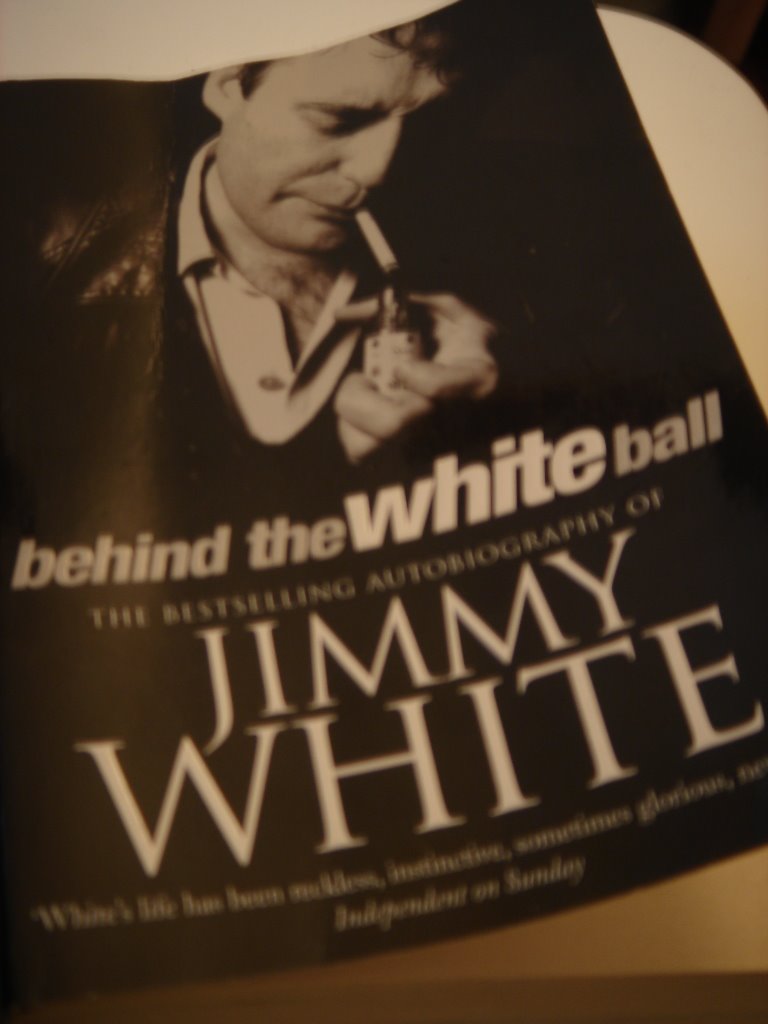 In a sleepless night, i tried to finish the last few chapters of a book that i had left behind for a while -- a memoire of Jimmy White. For all times, White is a legend in the snooker world, but a tragedy figure, i hate to say it. Imagine you compete all the way up to the final round of the World Championship tournament and lose it. White did it, not once, but for six times. In 1994, he got the closest chance there against Stephen Hendry. He led the final frame and all he needed to do was just a few pots, but he missed an easy chance.
White, dubbed the Whirlwind, dropped out school in an early age and dashed around under snooker tables in a ruin English town. Born to the times when vodka was part of the game, he got drunk before matches started. He dared do trick shots in serious matches, enjoyed the matches and made sure that the audience knew that. Together with Steve Davis and Hendry, White brought the English game to a worldwide event. He had its part to lure a generation of Hong Kong teenagers into snooker clubs. He acted in a 周星馳 comedy, playing Jimmy White, himself, whom the comedian finally defeated. The Whirlwind gave us so much wonder, but he owed himself just a few shots -- he badly deserved.
"Life - like snooker - is not like, "I'm sorry I'll read that again", and it never be when you miss a shot.... No, the last shot you played is consigned to history.... The past belongs to the pundits and the statistics boys. There is only 'tomorrow' to deal with, which is as it should be. Look to the next shot. It might rain tomorrow, and it might not. But that's why people who live by duckin' an' divin' always say, 'Be lucky.'" Jimmy tells the story of an easy guy who bears the bitterness of life.
2007/01/17
2007/01/14

2007/01/09
The stock market
The Hong Kong stock market has had a bull run for the past year, especially in the second half. The Hang Seng Index has shot through the roof without any major setback, thanks to stark inflow of hot money, driven by the speculation of further appreciation of renminbi and optimism toward the Chinese economy. Buying was particularly strong among Chinese counters. The H shares, of Hong Kong-listed Chinese enterprises, have launched one big leap after another, going hand in hand with the recovering A-share market in China's bourse.
Fund supply has been abundant in China, the U.S. and around the world, due to a long accumulation of wealth over the past few years and prevailing low levels of interest rates. In China, the exports grew strongly and people get rich very fast. In the U.S., money is flowing to China for the weakening of the U.S. dollar. Nations rich in natural resources have their windfalls by the expensive crude oil and natural gas as well as other commodities.
The surplus of funding was reflected by the low interest rates in long-term bonds in the U.S. Fund flow is a very important factor for short-term and medium term. We had strong liquidity in every market boom.
The funding was such much that even an increase in demand, introduced by the initial public offering of several leading Chinese banks, could not jeopardize it. It is noteworthy that fund flow is a tsunami by its influence. Fund flow is even more flexible than tsunami because it not only goes here and there, but it could also swell fast through lending. However, the dark side is the killing fund flow could make when it pulls away in a market slump.
Two threats.
The U.S. economy is seen to slow down this year. Low interest rates compared with inflation has encouraged borrowing to invest and to consume. The ease of liquidity had fueled the price advances of the houses and the encouraged consumers to spend on credits. Debt repayments, including those for mortgages, by households as a percentage of personal disposable income were at their highest levels since the data was available in 1980. If the housing market undergoes a significant downturn, American consumption would sharply reduce. That could severely affect the exports of China and other Asian economies, and more significantly, cool down the investment sentiment in Hong Kong.
Another threat is China's bad debts. Chinese banks were financially healthy in appearance after cleaning a large chunk of aged non-performing loans before listing and raising new capital through listing. The lending exercises of the state-owned banks are still largely driven by government policy without the clear assessment of credit risks. Such lending practices would inevitably lead to the emergence of new non-performing loans, not to mention that official statistics about the outstanding non-performing loans would likely be underestimated. There has been a progress for China to develop tertiary industry. The entry of the World Trade Organization which has forced China to speed up the opening progress of its financial industry for limited foreign ownership is positive. Besides, the listings of China's leading banks were also important steps. However, even after these measures have been taken, China's financial system is far from bulletproof. The banking industry is one for the most advanced economy with well established operational and surveillance systems. Turbulence has to occur along the learning curve of the economic development.
The U.S. housing market and China's financial system are the two major threats, i can think of , that could bring a significant and prolonged gloom to the Hong Kong stock market.
However, even before these threats realize, the market could easily come to a downturn merely because of unsustainable valuation. The current valuations of leading H shares have become too high. H-shares in general are priced at over 20 times its earnings. China Insurance (2628), China's biggest insurance company, has a 2006 prospective PE of 50 times, which is still unbelievably high. ICBC (1398), China's biggest bank, has a 2006 prospective PE of nearly 30 times, which has discounted optimistic expectations on future earnings growth.
The HSI has been priced at about 15-16 times prospective PE, which mistakenly gives wrong impression that the market is fairly valued. In fact, the surge in prices has been narrowly confined to China stocks. And the overheating of this large sector is enough to cause damages. There is no guarantee that the laggards have to catch up with the leaders before the current bull phase completes.
The market downturn as a result of the overheating of the stock market, as indicated by the valuations, could happen without prior notices. Then the contraction of fund flow would closely follow. The investment sentiment would swing from optimism to pessimism. The U.S. and Chinese economic potential weaknesses, if they come true, might serve as reinforcements of a bear market.
As an educated, but not so dearly engaged, investor, i would not worry too much about a potential market downturn. i keep investing and holding value stocks, with earnings prospects and fairly price-earnings multiples. HSBC (5), at around 12 times prospective PE, remains a long-lasting favorite. i also recommended Aeon Stores (984) in an earlier article.
A long-term consistent investment on value stocks, unaffected by any market emotion, is a reliable means. The Hong Kong stocks have been growing steadily since 1970's, and will continue to grow, in the long-term, as earnings accumulate. Investing disciplinarily is easier said than done. That's one of the reasons why losers far outnumber winners.Sometimes, an investor should be more detached from the feelings of the majority. Warren Buffett leads a simple live in the remote Nebraska in the U.S., and, it was said, does not have Internet access in his office.
Disclose of interest: i am holding shares in HSBC and Aeon Stores.
Copyright Quam
Fund supply has been abundant in China, the U.S. and around the world, due to a long accumulation of wealth over the past few years and prevailing low levels of interest rates. In China, the exports grew strongly and people get rich very fast. In the U.S., money is flowing to China for the weakening of the U.S. dollar. Nations rich in natural resources have their windfalls by the expensive crude oil and natural gas as well as other commodities.
The surplus of funding was reflected by the low interest rates in long-term bonds in the U.S. Fund flow is a very important factor for short-term and medium term. We had strong liquidity in every market boom.
The funding was such much that even an increase in demand, introduced by the initial public offering of several leading Chinese banks, could not jeopardize it. It is noteworthy that fund flow is a tsunami by its influence. Fund flow is even more flexible than tsunami because it not only goes here and there, but it could also swell fast through lending. However, the dark side is the killing fund flow could make when it pulls away in a market slump.
Two threats.
The U.S. economy is seen to slow down this year. Low interest rates compared with inflation has encouraged borrowing to invest and to consume. The ease of liquidity had fueled the price advances of the houses and the encouraged consumers to spend on credits. Debt repayments, including those for mortgages, by households as a percentage of personal disposable income were at their highest levels since the data was available in 1980. If the housing market undergoes a significant downturn, American consumption would sharply reduce. That could severely affect the exports of China and other Asian economies, and more significantly, cool down the investment sentiment in Hong Kong.
Another threat is China's bad debts. Chinese banks were financially healthy in appearance after cleaning a large chunk of aged non-performing loans before listing and raising new capital through listing. The lending exercises of the state-owned banks are still largely driven by government policy without the clear assessment of credit risks. Such lending practices would inevitably lead to the emergence of new non-performing loans, not to mention that official statistics about the outstanding non-performing loans would likely be underestimated. There has been a progress for China to develop tertiary industry. The entry of the World Trade Organization which has forced China to speed up the opening progress of its financial industry for limited foreign ownership is positive. Besides, the listings of China's leading banks were also important steps. However, even after these measures have been taken, China's financial system is far from bulletproof. The banking industry is one for the most advanced economy with well established operational and surveillance systems. Turbulence has to occur along the learning curve of the economic development.
The U.S. housing market and China's financial system are the two major threats, i can think of , that could bring a significant and prolonged gloom to the Hong Kong stock market.
However, even before these threats realize, the market could easily come to a downturn merely because of unsustainable valuation. The current valuations of leading H shares have become too high. H-shares in general are priced at over 20 times its earnings. China Insurance (2628), China's biggest insurance company, has a 2006 prospective PE of 50 times, which is still unbelievably high. ICBC (1398), China's biggest bank, has a 2006 prospective PE of nearly 30 times, which has discounted optimistic expectations on future earnings growth.
The HSI has been priced at about 15-16 times prospective PE, which mistakenly gives wrong impression that the market is fairly valued. In fact, the surge in prices has been narrowly confined to China stocks. And the overheating of this large sector is enough to cause damages. There is no guarantee that the laggards have to catch up with the leaders before the current bull phase completes.
The market downturn as a result of the overheating of the stock market, as indicated by the valuations, could happen without prior notices. Then the contraction of fund flow would closely follow. The investment sentiment would swing from optimism to pessimism. The U.S. and Chinese economic potential weaknesses, if they come true, might serve as reinforcements of a bear market.
As an educated, but not so dearly engaged, investor, i would not worry too much about a potential market downturn. i keep investing and holding value stocks, with earnings prospects and fairly price-earnings multiples. HSBC (5), at around 12 times prospective PE, remains a long-lasting favorite. i also recommended Aeon Stores (984) in an earlier article.
A long-term consistent investment on value stocks, unaffected by any market emotion, is a reliable means. The Hong Kong stocks have been growing steadily since 1970's, and will continue to grow, in the long-term, as earnings accumulate. Investing disciplinarily is easier said than done. That's one of the reasons why losers far outnumber winners.Sometimes, an investor should be more detached from the feelings of the majority. Warren Buffett leads a simple live in the remote Nebraska in the U.S., and, it was said, does not have Internet access in his office.
Disclose of interest: i am holding shares in HSBC and Aeon Stores.
Copyright Quam
2007/01/06
10分鐘內,你做到幾多?

攝於大型百貨公司內的一間快速理髮店,這位小朋友在10分鐘的理髮過程中,閱讀由爸爸舉著的英文書。從圖中三個人的不同視線可以看到他們的不同目標,在10分鐘的時間內不容有失。
髮型師哥哥合緊咀巴剪剪剪。小朋友動彈不得,讀讀讀。爸爸: 阿仔阿仔,比心機。 這個組合亦很講求合作性,髮型師哥哥要盡量避免打擾小朋友。小朋友看書又只可以移動眼球而不可搖頭。爸爸亦盡力保持手臂的定力,還要準備隨時翻開下一頁。而髮型師和爸爸要有默契,待師傅剪完一邊頭髮之際,迅速來個交叉走位,對掉位置,好讓師傅剪另一邊頭髮。
10分鐘時間,一把剪刀,一本書,三個人,交織出一幕緊張剌激的現實版「生死時速」。
訂閱:
文章 (Atom)